
CPQ Adoption Fails Without Workflow Design: How RevOps Can Fix It

CPQ Adoption Isn’t a Sales Problem—It’s a Workflow Design Problem
When CPQ platforms fail, the finger often points to Sales. But reps aren’t the issue—workflow design is. If quoting feels like guesswork, reps avoid it. RevOps can fix CPQ adoption by anchoring workflows in quote previews, eliminating confusion, and enforcing structure behind the scenes.
Why CPQ Adoption Often Fails Despite Good Intentions
CPQ is rolled out with clear goals:
- Standardize pricing
- Streamline quoting
- Accelerate deal cycles
But weeks later, usage drops. Reps default to Excel. Sales Ops is flooded with quote fix requests.
What went wrong?
The system was designed for operations—not for how reps actually think and work.
The Real Problem: Complex CPQ = Data Chaos
When reps enter CPQ, they’re often faced with:
- A blank screen and multiple tab options
- No clear entry point into the quote-building process
- Uncertainty about whether they’re quoting compliantly
- No visibility into what the final quote will look like
The result?
- Low adoption
- Inconsistent data
- Deal delays
- Workarounds that bypass your entire revenue process
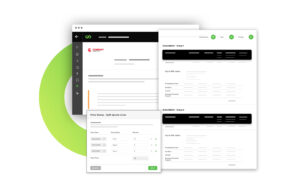
The Fix: Let the Quote Document Lead the Workflow
To drive adoption and accuracy, flip the workflow.
Start with what reps care about most—the final quote document.
A quote-first experience gives them:
- A visual anchor of what they’re building
- Intuitive access to add products, discounts, and terms
- Instant visibility into how each change affects the quote
- Confidence that they’re doing it right
With guardrails enforced in the background—pricing logic, approvals, product configuration—you get compliance without complexity.
Why RevOps Must Lead the Charge
CPQ success isn’t just about training—it’s about designing for usability.
When RevOps creates a quoting experience that mirrors how reps sell, adoption follows naturally.
What RevOps Gains:
- Fewer “quote fix” tickets from the field
- Consistent, clean data flowing from quote to CRM to forecast
- Higher quote velocity → faster time-to-cash
- Compliance without micromanagement
- Scalable quoting logic across regions, segments, and teams
Traditional CPQ vs Preview-First CPQ Design
Feature | Traditional CPQ Workflow | Preview-First CPQ Workflow |
Rep Onboarding Time | Long and tool-heavy | Faster via visual understanding |
Data Consistency | Prone to errors and gaps | Clean and compliant |
Quote Velocity | Slow due to hesitation | Accelerated by clarity |
System Adoption | Low among frontline sellers | Higher across experience levels |
Forecast Accuracy | Inconsistent inputs | Structured, real-time visibility |
Frequently Asked Questions (FAQs)
Why do CPQ rollouts often fail?
Because the workflow feels foreign to sales reps. Without clear guidance, they bypass the system, reducing its effectiveness.
How does a preview-first CPQ workflow help?
It shows reps what they’re building and where they’re headed—providing confidence, reducing errors, and improving speed.
Can this improve forecast accuracy?
Yes. With cleaner quote data and structured logic, you get better insights into deal value, timing, and probability.
Is this a technology issue or a RevOps issue?
It’s a workflow design issue—squarely in RevOps’ court. You own the revenue process. The tools should reflect how your teams actually operate.
What ROI can I expect from better CPQ adoption?
Faster deal cycles, reduced sales ops overhead, improved forecasting accuracy, and higher compliance with pricing rules.


Ready to fix leaks, speed up quoting, and unlock hidden revenue?
Use our RoI Calculator to see where your business can grow next.